
Traffic calming measures, road hills, mini-rings to buy from a warehouse - low price in UAH: pickup, delivery, incl. VAT included
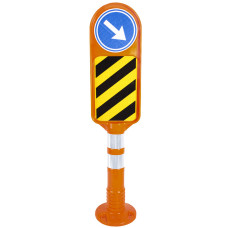
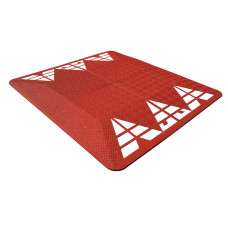
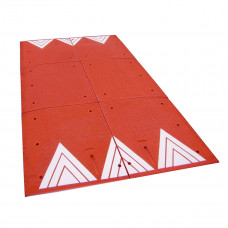
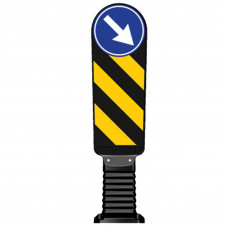
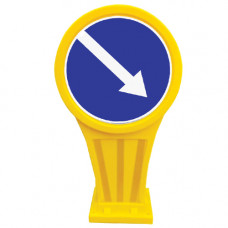
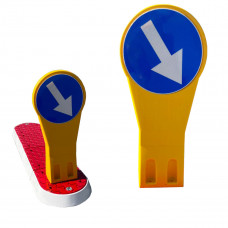
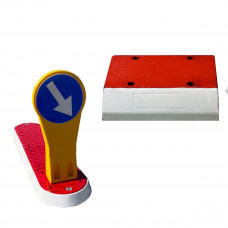
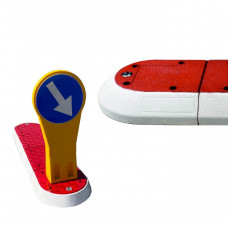
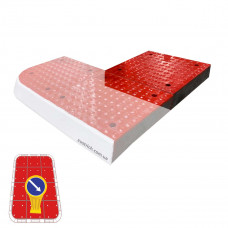
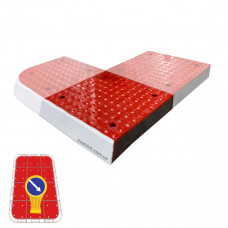

In DSTU 4123: 2020, "Traffic calming measures" introduce such concepts as Road hills, Shikanes, Mini-rings, Inserts along the axis of the road, Chokers, elevated pedestrian crossings, elevated intersections.
Speed bumps from 2020, in accordance with the new DSTU, are being replaced by road hills and other means of calming traffic. There has been a transition from "forced speed reduction devices" to "traffic calming devices". Even the name DSTU began to sound more secure.
Why did DSTU 4123 change speed bumps for new means of calming speed?
In DSTU 4123:2006, norms were prescribed for a forced speed reduction device, the so-called speed bumps. Until 2020, it was they and only they who were registered in DSTU 4123.
The new DSTU 4123 of 2020 states in paragraph 5.2.4: "An integrated approach to the development of traffic calming measures involves the uniform distribution of traffic calming means on the network of roads and streets in order to force traffic participants to maintain a constant safe speed, and not change it with short-term acceleration and braking."
That is, the new DSTU care not only about safety, but also about comfort. All the same, we recommend slowing down before road hills, elevated intersections, and especially before pedestrian crossings. Also, do not forget to slow down when changing the trajectory of movement and in places where the roadway narrows.
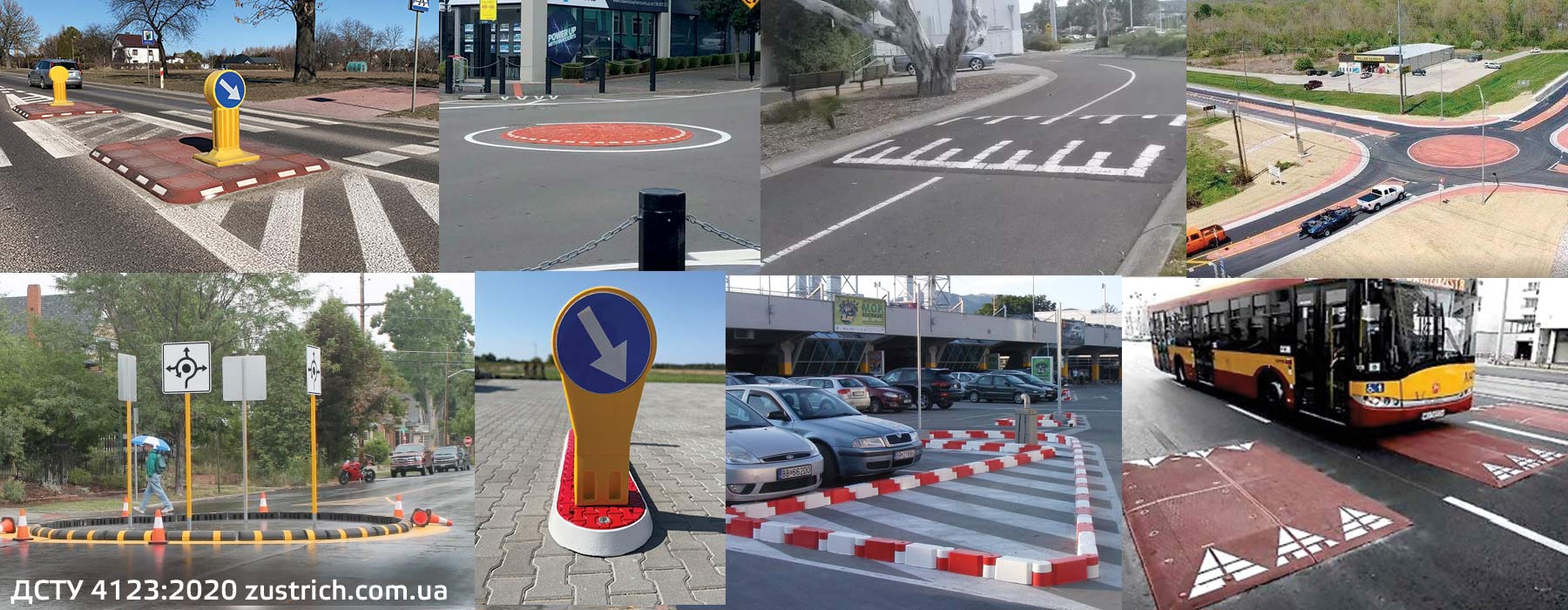
The new DSTU 4123:2020 includes traffic calming devices that are used in European countries. So, what was adopted from the experience of European countries:
What are the 3 main groups of motion calming means prescribed in DSTU 4123?
1. The device of an obstacle on the roadway
includes the following tools:
- road hills
- Elevated pedestrian crossings
- Elevated intersections
2. Changing the trajectory of movement
includes the following motion-calming aids:
- Chicanes
- mini rings
- Intersection overlap
3. Changing the width of the carriageway
includes the following motion-calming aids:
- Chokers
- Inserts along the axis of the road
Let us dwell in more detail on each means of calming the movement.
Road hills
these are elevations above the road surface with a height of 7-10 cm and a maximum length of 15 meters. The length of the horizontal part of the road hill depends on the speed of movement on the site and is 2-6 meters (20km/h - 50km/h)
Elevated pedestrian crossings
Elevated pedestrian crossings are a platform raised by 7-10 cm, more than 4 meters long with a run length of 1-2 meters, depending on the speed on the site.
Set up in places where the speed is less than 50 km / h.
Elevated intersections
they are also a platform raised above the road surface with a height of 7-10 cm with a smooth check-in 1.5-3 meters long, depending on the speed of movement on the site (20 km / h-50 km / h)
Set up in places where the speed is less than 50 km / h.
Chicanes
At the entrance to chicanes, according to DSTU, road signs 1.3.1, 1.3.2, 1.5.1, 1.5.2, or 1.5.3 must be installed in accordance with DSTU 4100. The need to use road inserts in accordance with DSTU 4036 is also prescribed.
The chicanes must be framed by a side stone.
Mini rings
are a kind of substitute for traffic lights. They organize an orderly movement in a circle without stopping at the central part of the ring. According to DSTU, mini-rings must have a contrasting color.
We recommend using red LP23 mini-rings made of polymer with a contrasting color.
Reducing the width of the passage - chokers that guide islands of safety
Two-way symmetrical narrowing of the carriageway is carried out using chokers and road markings. Chokers are small islands. According to DSTU, they must be framed with a side stone.
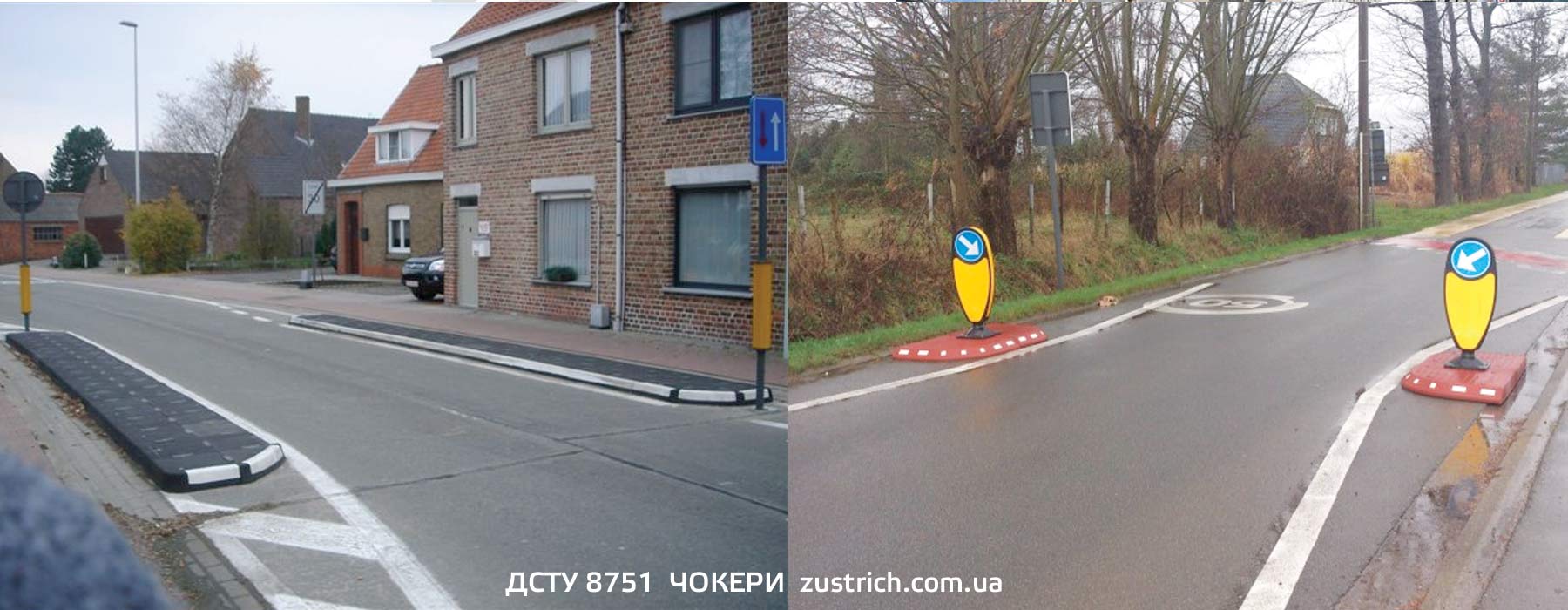
Inserts along the axis of the road can simultaneously be islands of safety.
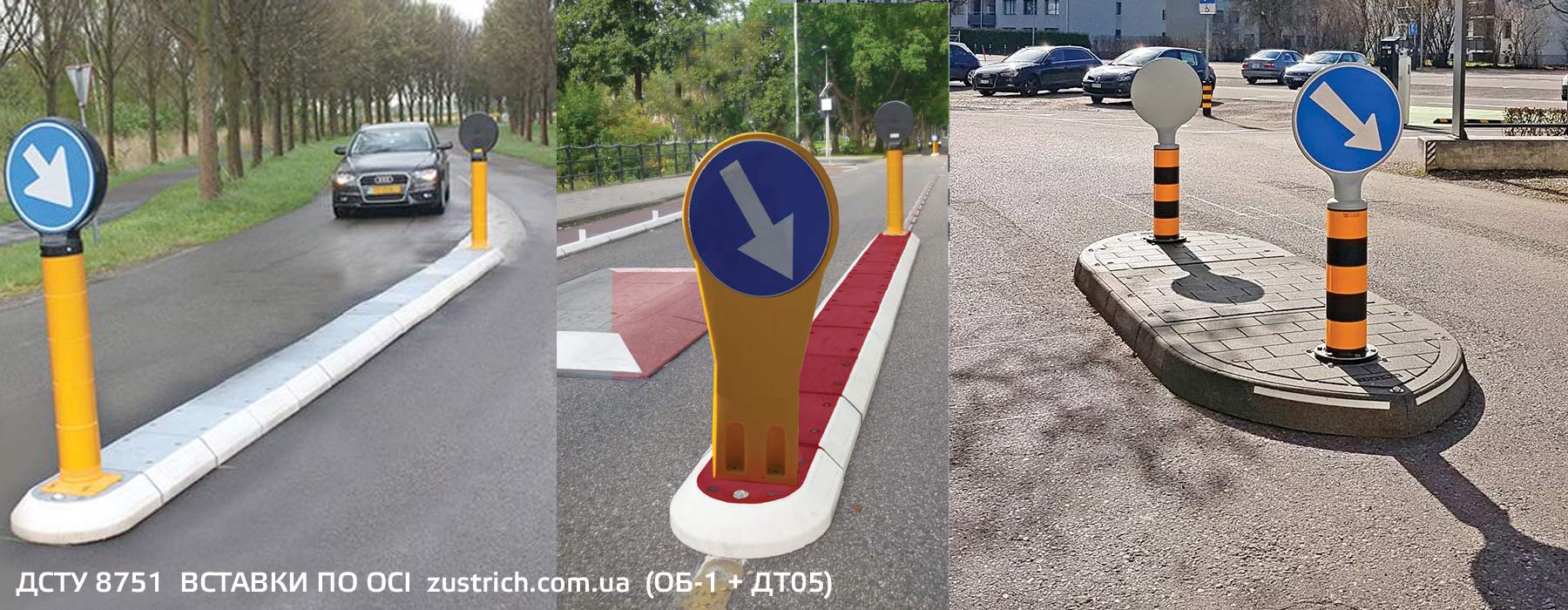
When designing a central guide island that narrows the carriageway, the following features should be taken into account:
— the central guide island shall be 1.8 m wide and 6 m long;
- the approach to the island should be shifted to the left;
- the central axis of the island should create a rebound cone to separate the movement on the right; the minimum narrowed width of the carriageway shall be 2.75 m.


